

Autism Treatment


Autism Treatment

Overview 

Once your child is diagnosed with autism, don’t wait. Early diagnosis and quick, effective support give your child the best chance to learn, grow, and reach their potential.

The most effective treatment for autism is behavioral therapy, especially Applied Behavioral Analysis (ABA). There are different types of ABA that can be chosen based on your child’s strengths and needs. Other helpful therapies include occupational therapy, speech therapy, physical therapy, and sometimes medication.

These therapies help your child learn daily skills, communicate better, manage behaviors, and become more independent.

Evidence-based therapies include:

Applied Behavior Analysis (ABA)

Applied Behavior Analysis (ABA) focuses on strengthening positive behaviors that form the foundation for learning and development. With ABA therapies, the emphasis is put on reinforcing behaviors that form the foundation of skill development. Skills are taught step by step, breaking complex tasks into smaller, manageable parts. ABA can support a child’s social development, daily living skills, and help reduce challenging behaviors such as self-injury, aggression and tantrums. It also helps children learn new skills and use them in different settings, including home and school. Several evidence-based approaches are based on ABA:

  • Early Intensive Behavioral Intervention (EIBI): Designed for young children with autism, often under five years old. It typically involves one-on-one support and structured teaching methods. In Kenya, EIBI can be provided at home, in early childhood centers, or in schools where trained professionals are available.
  • Pivotal Response Training (PRT): Focuses on increasing a child’s motivation, encouraging communication, and building key skills such as language, play, and social interaction. Skills are practiced across different environments and with different people to promote independence.
  • Naturalistic Developmental Behavioral Interventions (NDBI): These approaches are delivered in the child’s natural environment such as at home or school and often involve parents and caregivers. They build on the child’s interests and everyday routines to promote learning and meaningful interaction.
picture1
picture2
 Speech Therapy

Communication challenges are central to autism and can sometimes lead to frustration and behavior difficulties. Speech and language therapists work with children to improve understanding, speech, and alternative ways of communicating. Some incorporate principles of Applied Behavior Analysis (ABA) to encourage positive communication and independence.

edit pecsPicture Exchange Communication System (PECS)

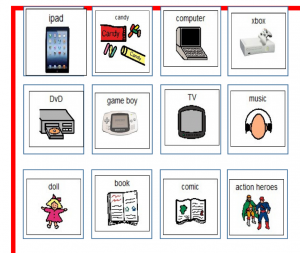
One of the main areas affected by autism is a child’s ability to communicate. Many children on the autism spectrum may struggle to express their needs, especially in homes and schools where verbal communication is highly valued. The Picture Exchange Communication System (PECS) helps to build early language skills and provides a practical way for children who do not speak to communicate effectively.

PECS uses principles from Applied Behavior Analysis (ABA) to teach children to exchange a picture for something they want—such as food, a toy, or an activity like going outside to play. PECS empowers autistic children to express their needs more clearly, reduces frustration, and promotes meaningful participation in family and school life.

Treatment and Education of Autistic and related Communication Handicapped Children (TEACCH)

TEACCH is a structured teaching approach that emphasizes adapting the environment to support the autistic child, rather than expecting the child to adjust to the environment. This may involve organizing classrooms, homes, and therapy spaces with clear routines, visual schedules, and structured work systems to promote understanding and independence.

The goal of TEACCH is to help children develop the skills they need to better understand their surroundings and social expectations. Because it builds on the child’s existing strengths and promotes consistency in daily routines, many families and schools may find it a practical and supportive approach, especially where individualized learning and structured environments are valued.

Occupational Therapy

Children diagnosed with autism may benefit from working with an occupational therapist. An occupational therapist is a trained and licensed healthcare professional who assesses how autism affects a child’s daily activities at home, school, and in the community. They collaborate with parents, teachers, and other professionals to address sensory, motor, and social challenges through practical, goal-based activities that promote independence and active participation in everyday life.

Physical Therapy (PT)

Physical therapy helps improve gross motor skills and address sensory integration challenges, especially those related to body awareness and movement in space. Like occupational therapy, it supports a child’s ability to participate more fully in daily activities at home and school. Physical therapists work on skills such as sitting, walking, coordination, and balance. Physical therapy is most effective when provided as part of an early intervention program.

Be Careful with Non-Proven Therapies

You may hear about therapies like:

  • Swimming with dolphins
  • Horseback riding
  • High-dose vitamins or supplements
  • Electromagnetic therapy
  • Drinking raw camel milk

These do not treat autism, and some can even be harmful. It is okay for children with autism to enjoy swimming, riding horses, or music activities—they can be fun and improve happiness—but they should never replace evidence-based therapies.

Early, evidence-based therapy can improve your child’s independence and quality of life. Activities that are fun or enjoyable are good, but always combine them with proven therapies.

Use of Medication

Many families of children and adults with autism are faced with the option of using medicines. This is a medical decision and there is no one right answer. 

Some children with autism may show severe aggression, hyperactivity, or other behaviors that make daily life difficult. In such cases, medications can help manage these behaviors and reduce hyperactivity.

It is important to work with your healthcare providers to make sure that when medicine is chosen as a form of treatment, it is taken safely and effectively.

When deciding on medication:

  • Consider benefits and risks
  • Clarify personal values
  • Learn about medications and side effects
  • Target Symptoms
  • Know what questions to ask providers

Important points for parents and caregivers

  • Medications should only be prescribed and monitored by a qualified doctor.
  • Medication is not a cure for autism, but it can make learning, therapy, and daily life easier.
  • Families and professionals may want to learn more about medication options and discuss them with a healthcare provider.
picture3
What Doesn’t Work:
Special Diets
  • Gluten-free (wheat)
  • Casein-Free (dairy)
  • Gluten-Free Casein-Free Diet (GfCf Diet)
  • Sugar free
  • Removal of food dyes
  • Foods thought to produce maladaptive behavior
Vitamin and Supplement Therapy

Vitamin A

Vitamin B6

Vitamin B12

Vitamin C

Vitamin D

Magnesium

Dimethylglycerine (DMG)

Calcium

Omega 3 Fatty Acids

Therapies
  • Anti-Fungal and Anti-Yeast Medication
  • Bleach Therapy
  • Chelation Therapy
  • Complementary Alternative Medicine
  • Craniosacral Therapy
  • Essential Oils
  • Fecal Microbial Transplantation
  • Herbs and Homeopathic Treatments
  • Hyperbaric Oxygen Therapy
Treating Associated Medical Conditions 

A number of medical and mental-health issues frequently accompany autism spectrum disorder.

These include:

  • Epilepsy
  • Gastrointestinal problems
  • Feeding
  • Sleep disturbances
  • Attention-deficit/hyperactivity disorder
  • Anxiety
  • Depression
  • Obsessive compulsive disorder